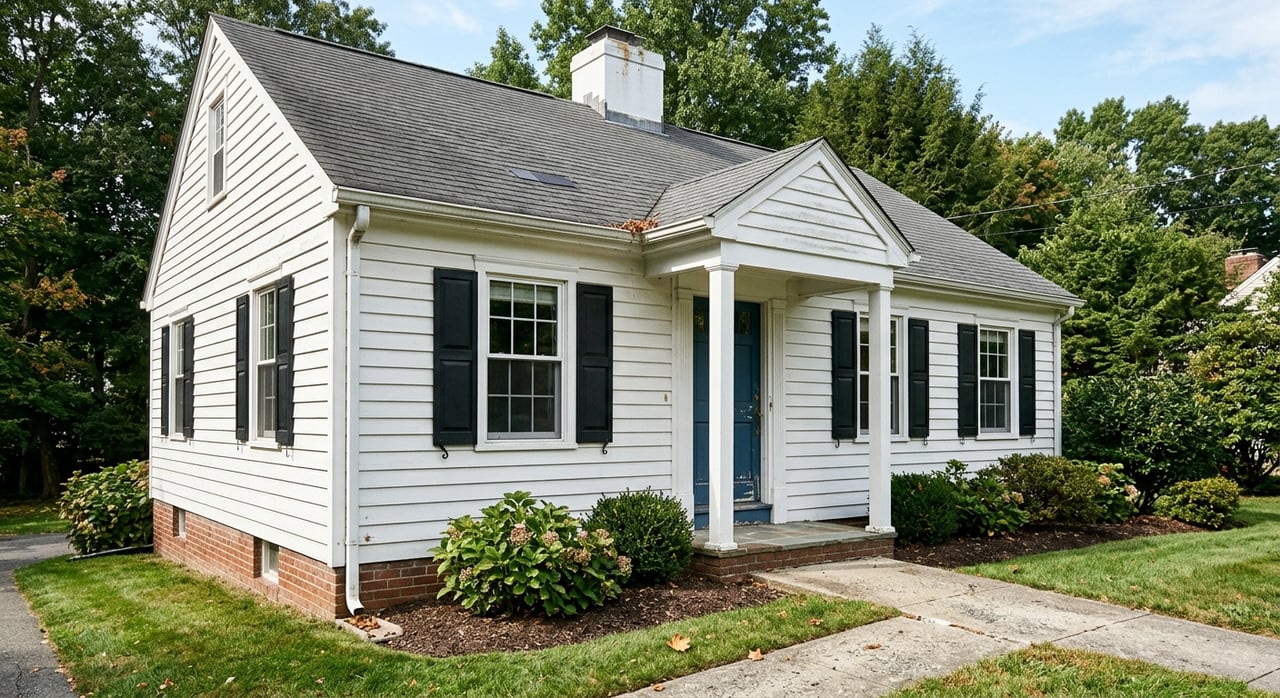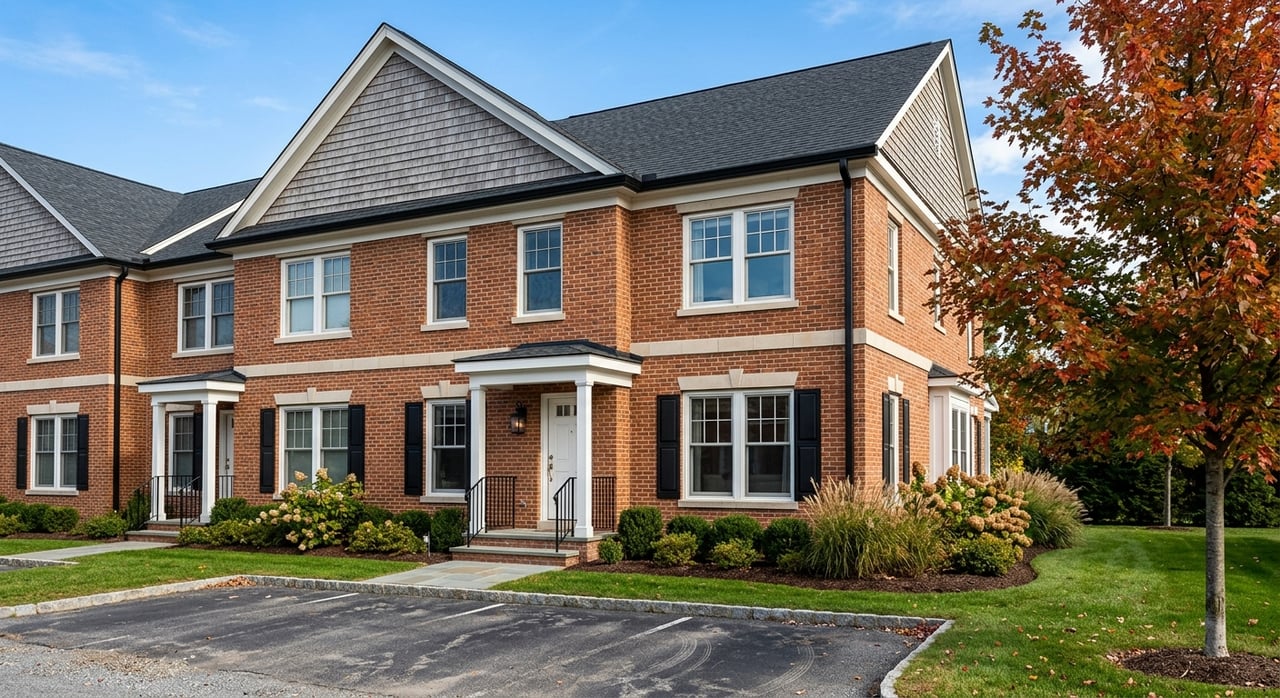
Wondering if a condo or townhome in Englewood could simplify your life without giving up convenience? If you want lower-maintenance ownership, easier access to downtown, or a home that fits a busy commute, attached housing can be worth a closer look. In Englewood, though, not every building or community works the same way, especially when it comes to fees, parking, and amenities. Let’s break down what condo and townhome living in Englewood NJ really looks like.
Why Englewood Appeals
Englewood offers a mix of day-to-day convenience and neighborhood variety that makes attached housing appealing to many buyers. According to the City of Englewood 2024 Master Plan, downtown is a regional destination for dining, shopping, and entertainment, with 491 businesses and 4,022 employees.
That same plan points to key downtown anchors like BergenPAC, City Hall, the public library, and MacKay Park. It also notes that older garden-apartment and townhouse communities sit just south of downtown, while areas between West Palisade Avenue and Englewood Avenue are zoned for townhouse and apartment development. In short, attached housing is already part of Englewood’s fabric.
What Attached Housing Includes
In Englewood, “attached housing” can mean a few different things. You may find elevator condo buildings, garden-style communities, or larger multi-level townhomes with private garages and shared amenities.
Current local listing examples show that range clearly. Tudor Hall has been marketed as an older elevator condo building with covered parking, storage, and heat and hot water included. Other examples include 100 E Palisade with parking and an on-site gym, Kenwood Estates with gated townhomes, elevator access, garage parking, and a heated pool, and The M at Englewood South with covered garage parking, a pool, and clubhouse space.
Condo Vs Townhome Ownership
One of the biggest differences between condos and townhomes is what you are responsible for maintaining. That matters just as much as layout or square footage when you are comparing options.
The New Jersey Department of Community Affairs explains that condo and many planned-development associations are generally responsible for common areas and shared facilities. Those common areas can include pools, parking lots, lawns, hallways, basements, and exterior portions of the building.
With fee-simple townhome developments, more exterior or structural maintenance may fall to the individual owner depending on the governing documents. That means two homes that look similar online can come with very different day-to-day responsibilities. Before you buy, you will want to review the association rules and what the monthly fee actually covers.
HOA Fees Need Careful Comparison
HOA fees can be a major plus, but only if you understand what you are paying for. In Englewood, listing examples show that some fees may include recurring costs like heat, hot water, common-area maintenance, parking, cable or internet, gym access, pool use, or clubhouse amenities.
For example, local listings have advertised features such as heat and hot water at 275 Engle St, two parking spots and a gym at 100 E Palisade, and pool and clubhouse access at Riverview properties. The convenience can be real, but the details vary enough that you should compare each building line by line rather than assuming one community is the same as another.
Parking Matters More Here
Parking can be one of the most practical issues to evaluate before you buy in Englewood. The city’s master plan says downtown includes public lots, a public parking deck, and metered street parking, but it also notes that the 452-space Dean Street deck is fully utilized and that parking shortages are widely perceived because of daytime demand.
The same plan says downtown has more than 640 marked curb and surface spaces, with monthly permits priced at $60 for downtown workers and $85 for commuters. For a buyer, that means off-street parking, assigned spaces, or garage parking can add real value, especially if you expect to be near downtown activity.
Winter is another reason to pay attention. The city’s Traffic Bureau warns that some streets are subject to temporary snow-removal rules once about 3 inches of snow accumulate. If your building includes assigned or covered parking, that can make winter logistics much easier.
Bus Access And Car-Light Living
If you rely on transit or want to reduce how often you drive, Englewood offers bus-oriented convenience. NJ TRANSIT MicroLink serves Englewood and connects riders to nearby bus stops such as Engle St and E Palisade Ave, Dean St and Brownes Ter, and Washington Ave and Main St.
Those stops connect to several routes, including 166, 167, 177, 178, 186, 753, 756, 772, and 780. NJ TRANSIT also lists route 178 as Hackensack-Englewood-New York and route 780 as Passaic-Hackensack-Englewood. If you cannot use fixed-route buses, Access Link provides curb-to-curb service in the same areas and hours as the local bus network.
For many buyers, this transit pattern makes condos and townhomes especially appealing. You may be able to prioritize location, parking setup, and monthly maintenance over the larger yard care that often comes with a detached house.
Everyday Lifestyle In Englewood
Lifestyle is a big reason buyers consider attached housing here. Downtown Englewood is the core draw, with dining, shopping, entertainment, and services in a relatively concentrated area.
The master plan highlights Palisades Court as a mixed-use destination that includes ShopRite along with restaurants, retailers, and other services. It also points to BergenPAC, the public library, Veterans' Memorial Park and Depot Square, and MacKay Park as part of the broader downtown experience.
If you want access to outdoor space without maintaining a large yard, Englewood also offers a nearby nature option. Flat Rock Brook Nature Center includes a 150-acre preserve with a 3.6-mile trail network and public access from dawn to dusk. For some buyers, that helps balance the tradeoff of having less private outdoor space at home.
Who Condo And Townhome Living Fits
Attached housing in Englewood can work well for several types of buyers. If you are a first-time buyer, a downsizer, or someone moving from a denser urban setting, the combination of lower-maintenance living and access to downtown may feel like a strong fit.
It can also make sense if you value amenities, want a more lock-and-leave setup, or prefer bus-oriented commuting. The main tradeoffs are usually HOA rules, variable monthly fees, parking arrangements, and less private yard space than you would typically get with a detached home.
What To Check Before You Buy
Before you make an offer on a condo or townhome in Englewood, focus on the details that affect your monthly budget and daily routine.
Here are a few smart questions to ask:
- What exactly does the HOA fee include?
- Is parking assigned, deeded, covered, or first-come first-served?
- Are there guest parking limits?
- Who handles exterior maintenance and repairs?
- Are there move-in, pet, or rental restrictions?
- Which amenities are included, and are any subject to extra fees?
- How close is the home to downtown destinations or bus stops you expect to use?
A well-run search is not just about finding the right floor plan. It is about matching the property’s rules, costs, and convenience level to the way you actually live.
The Bottom Line
Condo and townhome living in Englewood NJ can offer a practical mix of convenience, community amenities, and access to downtown destinations. The best fit usually comes down to the fine print, especially around maintenance responsibility, HOA coverage, parking, and commuting options.
If you want help comparing communities, reviewing the tradeoffs between condo and townhome ownership, or narrowing down the right fit in Englewood, connect with Fast Track Real Estate Co. You will get clear guidance rooted in local market knowledge and a practical, process-driven approach.
FAQs
What is the difference between a condo and a townhome in Englewood NJ?
- In Englewood, condos and townhomes can look similar, but ownership and maintenance responsibilities often differ. Condo associations usually handle common areas and some exterior elements, while some fee-simple townhome communities place more maintenance responsibility on the owner depending on the governing documents.
What do HOA fees usually cover in Englewood condo buildings and townhome communities?
- HOA coverage varies by property. Local listing examples show that fees may include items like heat, hot water, common-area maintenance, parking, gym access, pool use, cable or internet, but you need to confirm each community separately.
Is parking hard to find near downtown Englewood NJ?
- Parking can be a challenge near downtown because the city reports strong daytime demand and a fully utilized Dean Street parking deck. That is why assigned, covered, or garage parking can be especially valuable when comparing attached homes.
Are condos and townhomes in Englewood NJ good for commuting?
- They can be, especially if you want bus access. NJ TRANSIT bus connections and the MicroLink service support travel to nearby stops in Englewood, which can make attached housing appealing for buyers who want car-light convenience.
What lifestyle benefits come with condo and townhome living in Englewood NJ?
- Many buyers are drawn to easier maintenance, proximity to downtown dining and shopping, nearby cultural destinations like BergenPAC, and access to outdoor spaces such as Flat Rock Brook Nature Center.