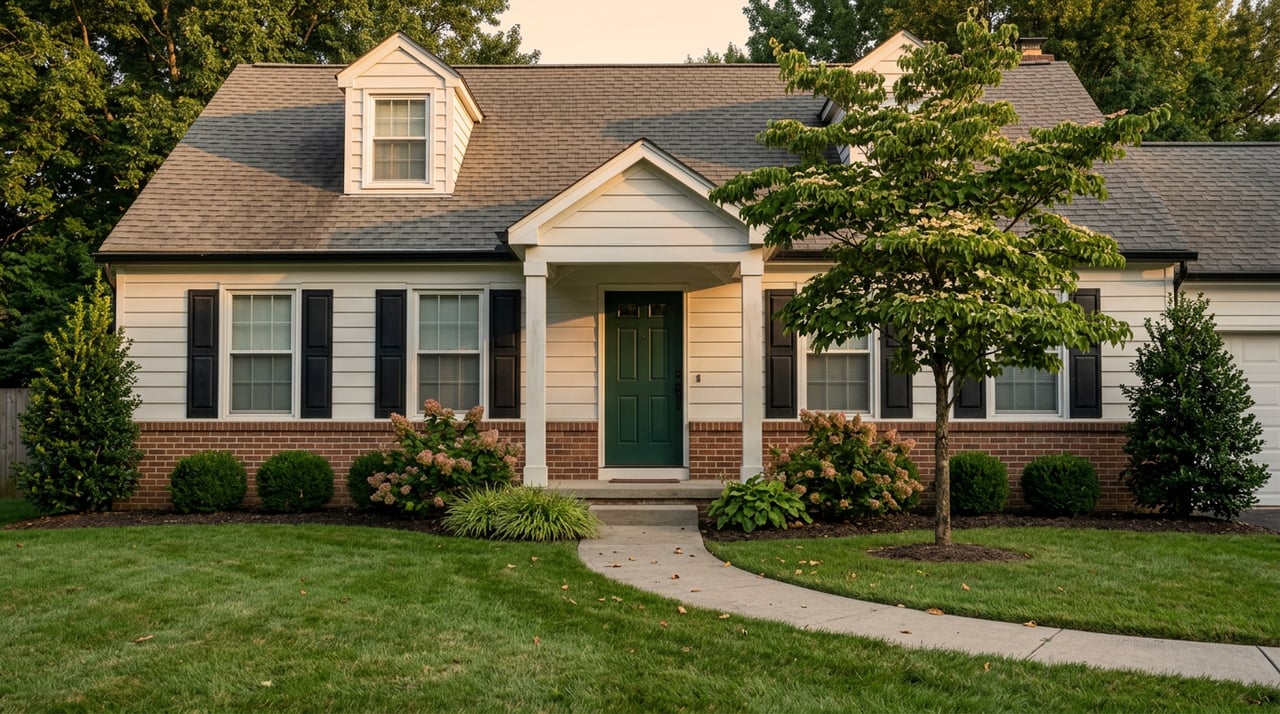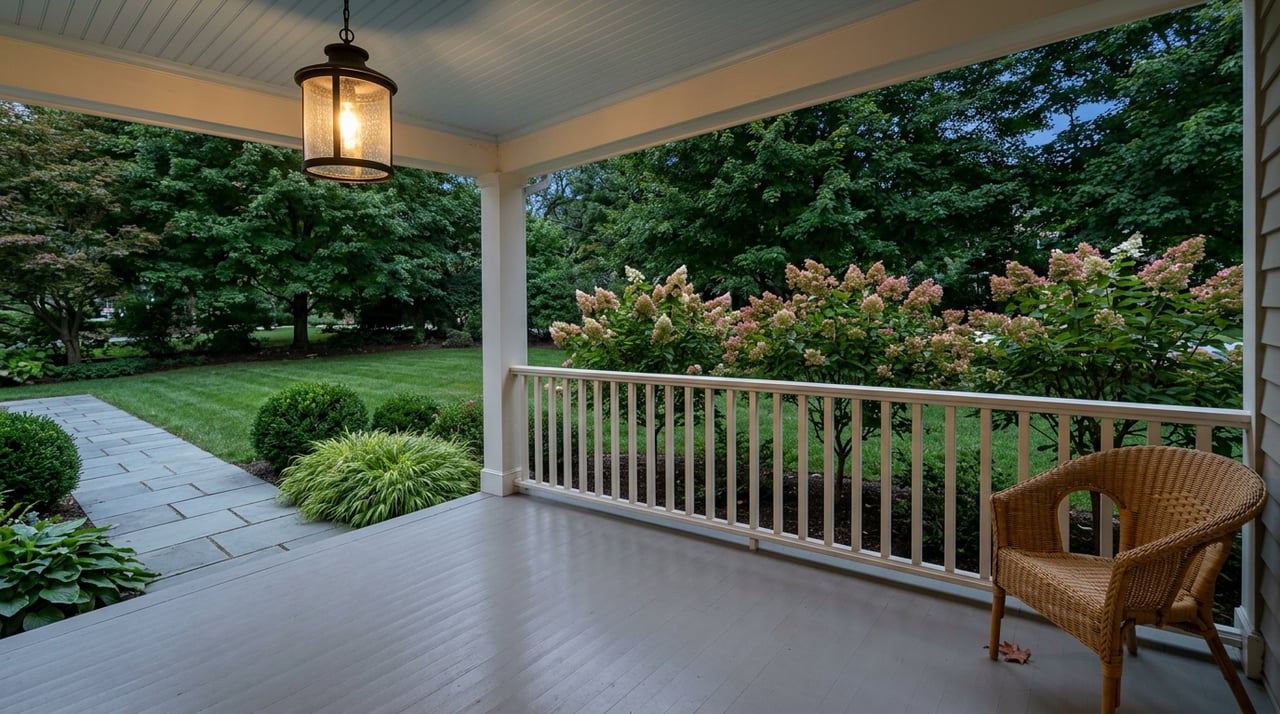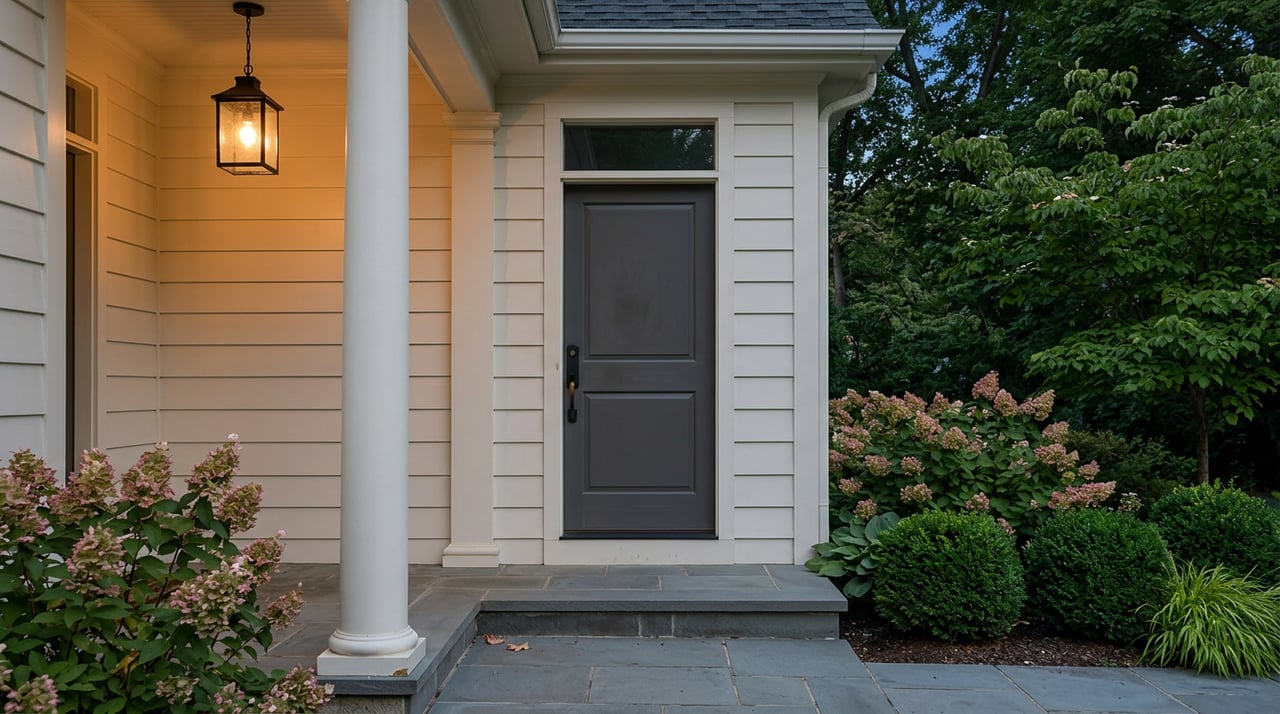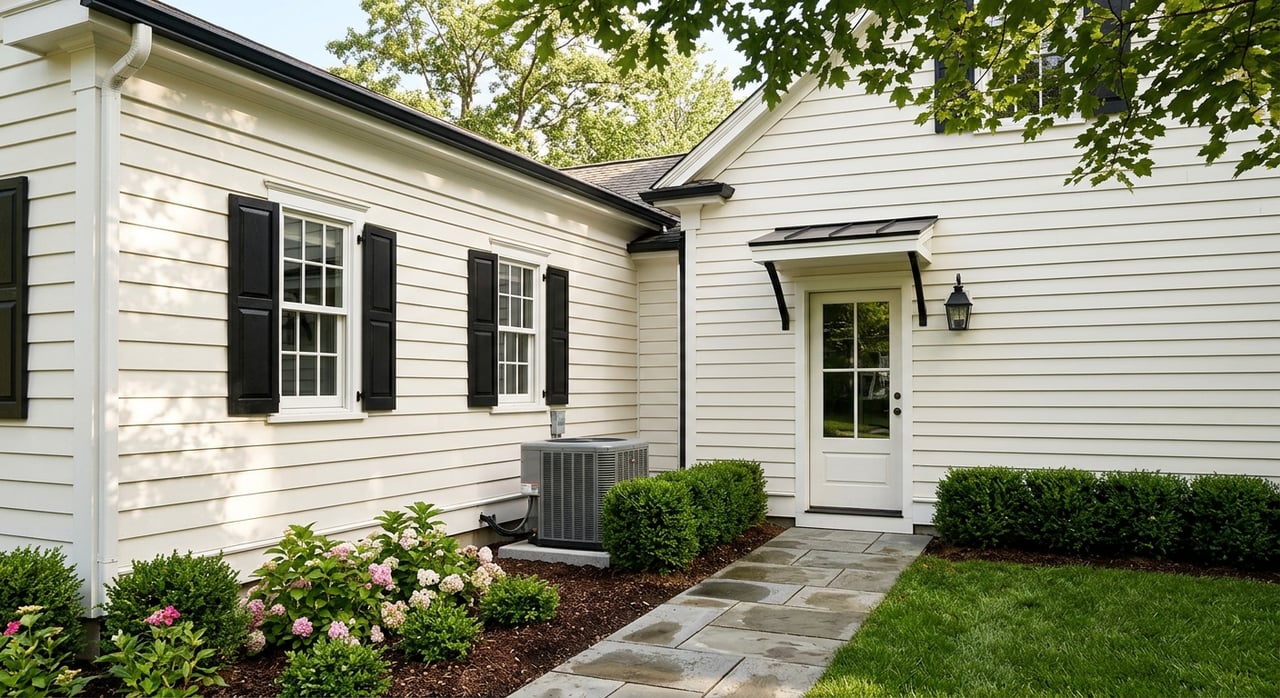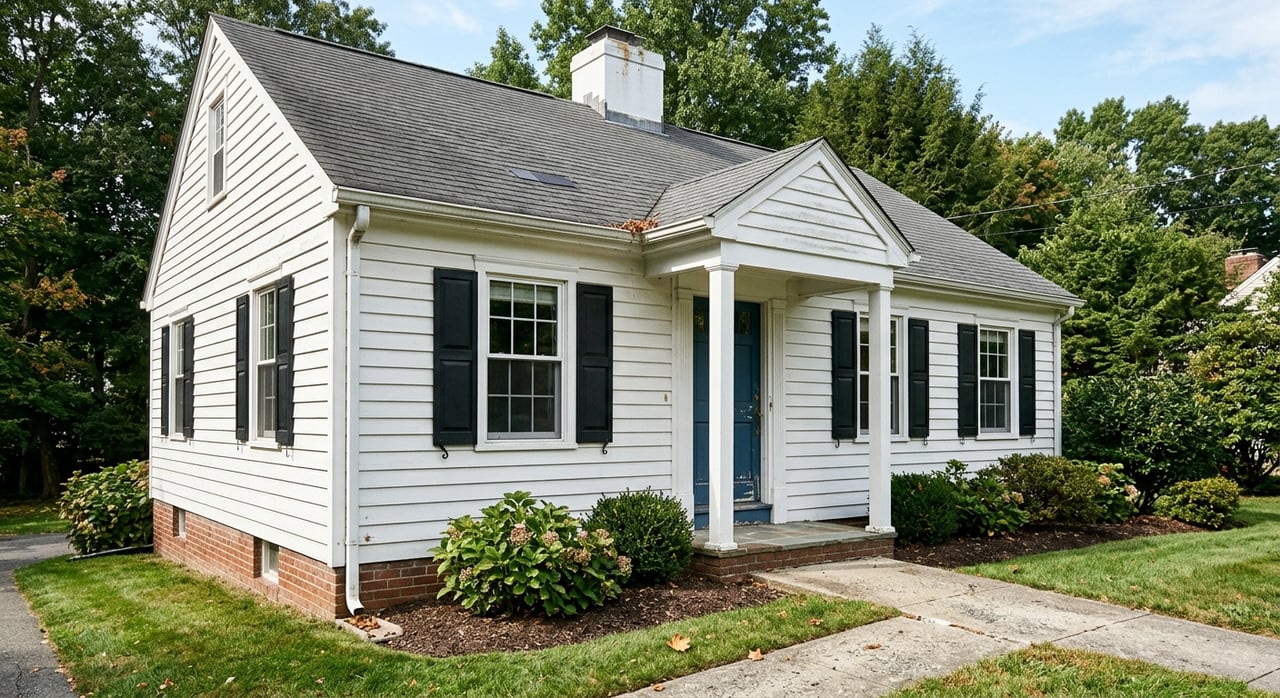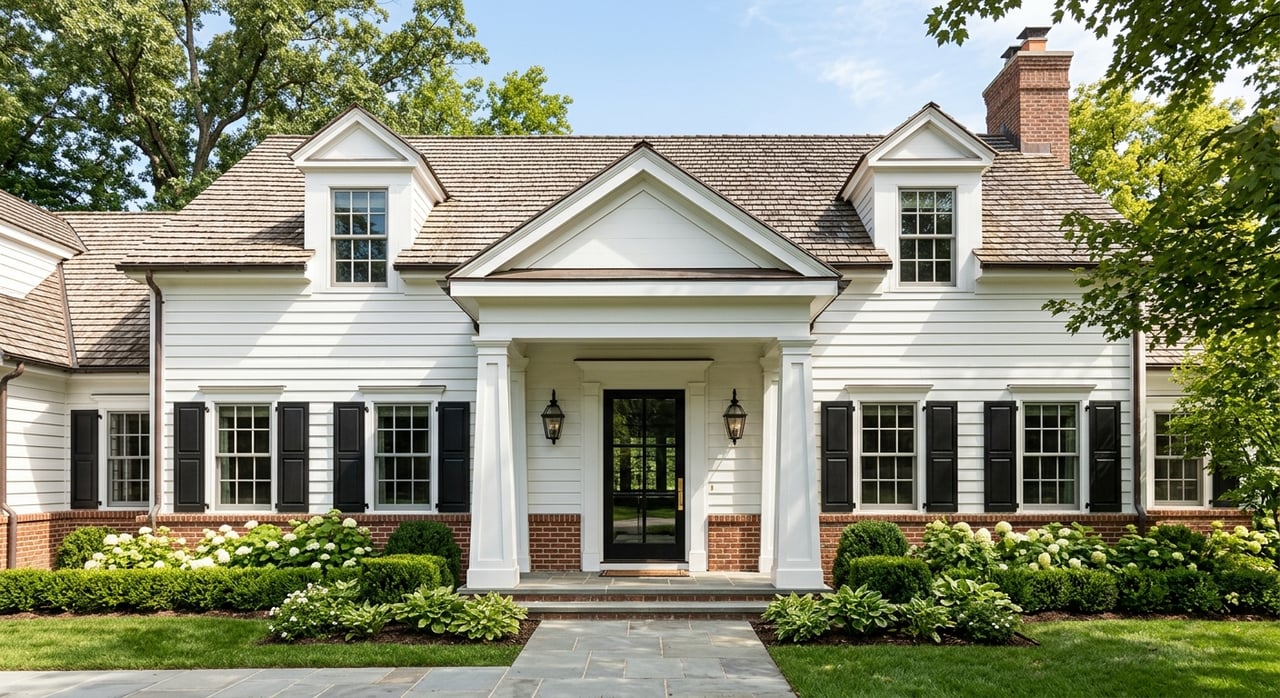
If you drive through Upper Saddle River, one thing becomes clear fast: this is not a one-style town. You see historic homes, classic colonials, low-slung ranches, newer custom builds, and the occasional contemporary design, often set back on generous lots with long driveways and mature landscaping. If you are buying, selling, or simply trying to understand what gives this Bergen County market its visual identity, knowing the architecture can help you read both the street and the value behind it. Let’s dive in.
Why architecture stands out here
Upper Saddle River has a distinctly spacious residential feel, and the numbers help explain why. Census data shows a 91.1% owner-occupied rate, a median owner-occupied home value of $1,108,700, median household income above $250,000, and 88.5% of residents living in the same home one year ago.
The borough’s zoning also shapes how homes look and sit on the land. In the R-1 district, the minimum lot area is 37,500 square feet with 150 feet of frontage and a 15% maximum building coverage, while the R-2 district requires a 10,000-square-foot minimum lot with 100 feet of frontage. In everyday terms, that means many homes have room for front lawns, rear yards, patios, pools, and a more private feel from the street.
Colonial homes define much of the market
If there is one style you are especially likely to notice in Upper Saddle River, it is the colonial. Current listings show a strong presence of center hall colonials, including homes with marble entry foyers, formal living and dining rooms, family rooms with built-ins, and updated kitchens that open to breakfast areas and decks.
This style tends to feel familiar and timeless in North Jersey. It often presents a traditional front elevation and a more formal room arrangement inside, while still adapting well to modern updates like larger kitchens, renovated primary suites, and attached garages.
What makes a colonial recognizable
The Colonial Revival vocabulary described by the National Park Service helps explain what many buyers are seeing here. Common features include:
- Symmetry from the street
- Centered front entries
- Columns or pilasters around the entrance
- Double-hung windows
- Sidelights or fanlights near the front door
In Upper Saddle River, listing descriptions often pair those exterior cues with interiors that include formal entertaining rooms and separate family gathering spaces. That combination gives colonials broad appeal because they can feel both polished and practical.
Why center hall layouts stay popular
A center hall colonial often offers a straightforward floor plan that many buyers understand immediately. You enter into a central foyer, with major rooms arranged on either side and bedrooms typically located upstairs.
In a market with high owner occupancy and strong long-term residency, that kind of functional layout may support steady appeal. Based on current listings and market context, buyers here often appear to value usable space, condition, and lot quality just as much as style.
Contemporary homes offer a different look
While colonials are more common, Upper Saddle River also includes contemporary homes that stand out from the traditional streetscape. A current listing described as contemporary features stone entry pillars, a gated approach, soaring ceilings, a sunken living room, walls of windows, and sliding doors connecting the home to outdoor areas.
That kind of home reads very differently from a center hall colonial. Instead of symmetry and formality, the emphasis is often on openness, light, and strong indoor-outdoor flow.
What to expect from contemporary design
In this market, contemporary homes appear to lean toward volume and glass rather than classic façade balance. Based on listing language, you may see:
- Taller ceilings
- Larger expanses of glass
- More open shared living areas
- Strong visual connection to patios, decks, or landscaped grounds
Because this is drawn from current listings rather than a formal borough-wide survey, it is best understood as a market pattern, not a strict rule. Still, these homes usually appeal to buyers who want a more design-forward feel than the traditional colonial stock offers.
Ranch homes remain part of the mix
Ranch homes are another style you can still spot in Upper Saddle River. One current listing highlights one-level living, oversized rooms, an open-concept kitchen, and a cathedral-ceiling great room on an acre lot.
The National Park Service describes the ranch as a one-story, long and horizontally oriented house type that often includes overhanging eaves, picture windows, and sliding glass doors. It is also associated with more casual living and fewer formal spaces.
Why ranches still appeal
For some buyers, a ranch offers a simpler day-to-day layout. One-level living can be attractive if you want fewer stairs, and the layout often supports open common areas that feel relaxed and easy to use.
In a town known for larger lots, ranch homes can also feel especially connected to the land. Their lower profile often leaves room for broad lawns, long rear views, and flexible outdoor living areas.
Newer custom builds shape the luxury end
Upper Saddle River also has a strong presence of newer custom homes, especially on large parcels. Recent examples include a custom-built colonial on 2.9 park-like acres with a 7,500-square-foot residence, infinity pool, bluestone and paver patios, and built-in BBQ, as well as another custom-built colonial on 1.8 acres with an added wing, outdoor kitchen, wine cellar, gym, and movie room.
These homes reflect a more tailored version of the local architectural landscape. They may borrow from colonial form on the outside while offering much more specialized layouts and amenities inside.
How custom homes differ from older stock
Newer custom properties often have features that are hard to retrofit into earlier homes. You may find:
- Larger footprints
- Expanded primary suites
- Dedicated office, gym, or media rooms
- More elaborate outdoor entertaining areas
- Newer systems and finishes
That said, larger homes and more complex amenities can also mean more ongoing upkeep. Based on current listing patterns, bigger square footage, pools, patios, outdoor kitchens, and extensive landscaping usually come with a larger maintenance picture too.
Historic homes add depth to the borough
Upper Saddle River’s architectural story does not begin with modern luxury construction. Bergen County identifies the Hopper-Goetschius House Museum on Lake Street, dating to 1739, as the oldest remaining house in the borough.
The borough’s historic preservation code also notes that, with one or two exceptions, the historic-site inventory is made up of properties built before 1900. That gives the town a deeper architectural layer beyond what you see in current resale listings.
What historic status can mean
If a home is on the borough’s historic inventory, exterior work may involve extra review. The code requires Historic Preservation Commission review for demolition or major alteration, while ordinary maintenance and interior alterations do not require approval.
For buyers and owners, that creates a practical balance. You may be able to modernize interior spaces without special review, but major exterior changes on historic properties are less flexible than they would be on newer homes.
Large lots tie these styles together
One reason Upper Saddle River feels so cohesive, even with different architecture, is lot size. Whether the home is a colonial, ranch, contemporary, or custom build, the lot often plays a major role in how the property lives and how it is perceived from the street.
Current listings frequently sit on about an acre or more, and the zoning standards support that spacious pattern. As a result, visible features often include long setbacks, sweeping front lawns, wooded rear yards, decks, patios, and pools.
Why lot pattern matters for buyers and sellers
Architecture tells only part of the story here. In a market like Upper Saddle River, the lot and site layout can shape value just as strongly as the home style itself.
For buyers, that means looking beyond the façade to understand privacy, outdoor usability, and how the home sits on the property. For sellers, it means presentation should highlight not only the house, but also the setting, yard, and exterior living areas that support the lifestyle buyers expect in this market.
What this means for resale
Upper Saddle River appears to reward a combination of condition, usable space, and lot quality. Given the borough’s high owner-occupancy rate, high property values, and low year-over-year mobility, the market reads as stable and homeowner-oriented.
Traditional colonials may appeal to the widest range of buyers because they balance classic curb presence with adaptable interiors. Contemporary and highly customized homes can be compelling too, but they may speak to a more style-specific buyer depending on layout and design choices.
A practical way to evaluate style
If you are comparing homes in Upper Saddle River, it helps to think in terms of fit rather than ranking one style above another. Ask yourself:
- Does the layout match how you live day to day?
- Does the lot offer the privacy or outdoor use you want?
- Will the upkeep match your time and budget?
- If the home is historic, are you comfortable with added exterior review for major changes?
If you are selling, the same framework can help shape your marketing strategy. The right presentation should show not just what style the home is, but why that style works on this lot, in this setting, and for today’s buyer.
Upper Saddle River’s homes are layered, not one-note. That is part of what makes the borough so interesting. From early historic houses to center hall colonials, ranches, contemporary designs, and expansive custom builds, the architecture here reflects both deep local history and the spacious character created by the borough’s zoning and lot patterns.
If you are trying to understand where your home fits in the market, or which style makes the most sense for your next move, working with a local team that can connect architecture, presentation, and pricing is a smart place to start. Reach out to Fast Track Real Estate Co for practical guidance on buying or selling in Upper Saddle River.
FAQs
What architectural styles are most common in Upper Saddle River?
- Current market activity suggests colonials, especially center hall colonials, are among the most visible styles, alongside ranch homes, contemporary homes, historic properties, and newer custom builds.
What defines a center hall colonial in Upper Saddle River?
- In Upper Saddle River, center hall colonials are often recognized by a central foyer, balanced front appearance, formal living and dining rooms, and separate family-oriented spaces such as updated kitchens and family rooms.
Are there historic homes in Upper Saddle River?
- Yes. Bergen County identifies the Hopper-Goetschius House Museum, dating to 1739, as the oldest remaining house in the borough, and the borough’s historic inventory is made up mostly of properties built before 1900.
What should buyers know about historic homes in Upper Saddle River?
- If a property is on the borough’s historic inventory, demolition or major exterior alterations require Historic Preservation Commission review, while ordinary maintenance and interior alterations do not.
Why do homes in Upper Saddle River feel so spread out?
- Borough zoning requires relatively large minimum lot sizes in key residential districts, and current listings often sit on about an acre or more, which supports long setbacks, larger yards, and a more private feel.
Do contemporary homes exist in Upper Saddle River?
- Yes, though they appear less common than colonials. Current listings show contemporary homes with features like soaring ceilings, walls of windows, and stronger indoor-outdoor connections.
Are ranch homes still relevant in the Upper Saddle River market?
- Yes. Ranch homes still appeal to buyers who want one-level living, more casual layouts, and strong connection to outdoor space, especially on larger lots.
How does architecture affect resale in Upper Saddle River?
- Based on local market context, resale value appears tied not just to style, but also to condition, lot quality, usable space, and how well the home’s features align with buyer expectations in this market.