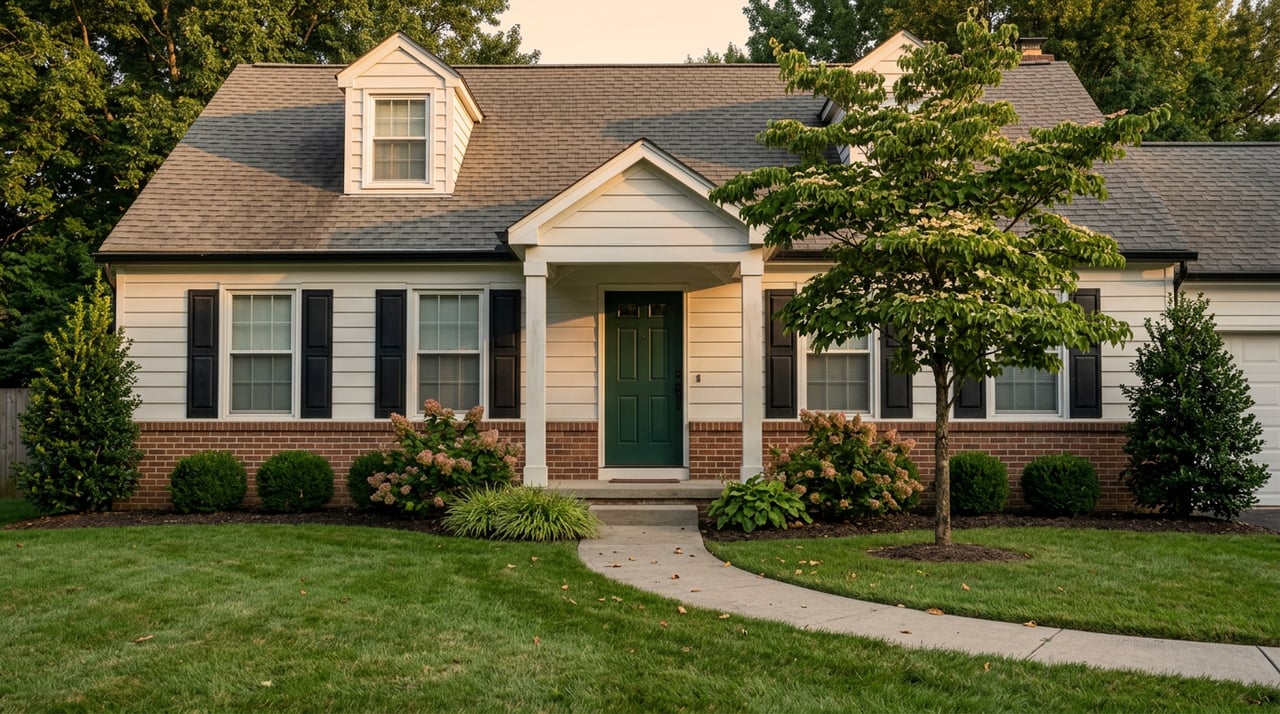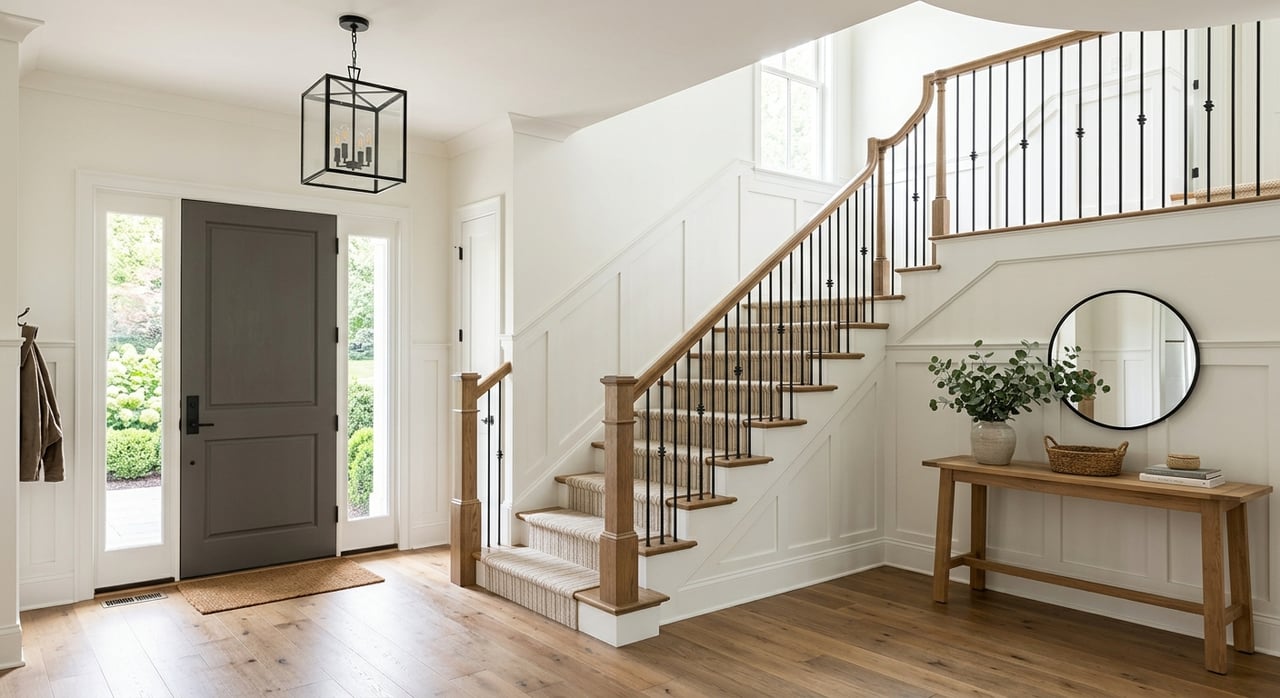
Selling your home for the first time can feel simple in theory and overwhelming in real life. You want the best price, a smooth timeline, and fewer surprises, especially in a market like North Haledon where well-priced homes can move in about three to four weeks. This guide walks you through what to expect, what to prepare, and which New Jersey rules matter most so you can move forward with more confidence. Let’s dive in.
Understand the North Haledon market
If you are selling in North Haledon, the current market appears active but not overly forgiving. Recent data showed a median sale price of $775,000 over the three months ending May 2026, while another source reported a median list price of $707,500, about 26 homes for sale, and a 100% sale-to-list ratio in March 2026.
The most practical takeaway is this: pricing and presentation matter early. Recent reports also showed homes spending about 21 to 26 days on market, which suggests buyers are moving when a home looks right and feels priced appropriately.
For a first-time seller, that means you should not rely on older peak prices or neighbor stories alone. A stronger approach is to base your asking price on recent comparable sales and launch with your home in show-ready condition.
Price your home with current data
One of the biggest first-time seller mistakes is overpricing at launch. In a market where buyers are still sensitive to condition, price, and presentation, starting too high can cost you momentum during the first few weeks.
A sound pricing strategy should focus on recent comparable sales, current competition, and your home’s condition. If your home is clean, updated, and marketed well, it may stand out faster. If it needs work, the price should reflect that reality clearly.
Fast Track Real Estate Co’s process-driven approach can be especially helpful here. Clear pricing guidance, local experience, and disciplined listing preparation can reduce guesswork and help you launch with a more realistic plan.
Prepare your home for photos and showings
Today’s buyers often see your home online before they ever step inside. Research shows buyers value photos most, followed closely by detailed property information, floor plans, virtual tours, and videos.
That means your listing launch is not just about getting a sign in the yard. It is about making sure your home photographs well and then continues to show the same way in person.
Before listing, focus on the basics that improve how your home looks on camera and during showings:
- Declutter rooms, counters, and storage areas
- Deep clean floors, kitchens, bathrooms, and windows
- Remove distracting personal items
- Simplify furniture layouts so rooms feel open
- Keep the home consistently tidy after the photo shoot
Staging does not always mean a full redesign. Buyers’ agents most often point to the living room, primary bedroom, and kitchen as the top spaces to prioritize, so that is usually where your time and budget will go furthest.
Use marketing that matches buyer expectations
Once buyers notice your home online, they expect the in-person experience to match the listing. If the photos are polished but the home feels cluttered or poorly maintained during showings, that gap can affect how buyers respond.
This is why technical marketing matters. Strong visuals, floor plans, and immersive tools can help buyers understand the layout before they visit, while also helping your home stand out in a crowded online search environment.
For sellers who want broad exposure with a structured process, Fast Track Real Estate Co highlights tools like Matterport 3D, aerial imaging, and floor plans as part of its listing capabilities. For a first-time seller, that can help create a more complete and organized launch.
Gather disclosures before listing
New Jersey sellers must disclose known material defects, and the state’s seller disclosure statement covers a wide range of issues. It asks about topics such as roof leaks, basement moisture, mold, pests, structural movement, additions and permits, water source, flood hazard zone, and flood history.
Because of that, it helps to gather paperwork before your home hits the market. Having documents ready can make disclosures easier to complete and reduce delays once you receive an offer.
Start with these items if they apply to your property:
- Repair invoices and maintenance records
- Permit records for additions or major work
- Roof, basement, or moisture-related documents
- Pest treatment records
- Water source information
- Flood-related records or prior claims information
The key is accuracy. The disclosure form is not a warranty, but it is still important to answer based on your actual knowledge of the property.
Know New Jersey flood disclosure rules
Beginning March 20, 2024, New Jersey requires sellers to disclose specific flood-risk information before the buyer becomes obligated under a purchase contract. This includes whether the property is in FEMA’s Special Flood Hazard Area or Moderate Flood Hazard Area, along with any actual knowledge of flood risk.
For first-time sellers, this is an area worth preparing for early. If your property has any flood history, flood-zone classification, or related documents, pull them together before listing so you are not scrambling during negotiations.
Check for lead paint and well-water requirements
Some homes come with extra disclosure or testing steps. If your home was built before 1978, federal lead-based paint rules apply.
That means you must disclose any known lead-based paint hazards, provide available reports, and give buyers the required EPA and HUD pamphlet. New Jersey’s consumer guide also notes that buyers get a 10-day window for a lead-based paint inspection or risk assessment at their own expense.
If your home uses a private well for drinking water, New Jersey’s Private Well Testing Act may apply. The law requires testing of untreated groundwater for up to 43 parameters, and both buyer and seller must review the results before title closes.
The New Jersey Department of Environmental Protection estimates average private well testing costs at about $1,200 to $1,500. If results do not meet standards, treatment is negotiated between the parties.
Understand offers and attorney review
When an offer comes in, things can move quickly. In New Jersey, earnest money is usually held in escrow, and counteroffers should be put in writing within 24 hours.
If a real estate licensee prepares the contract, New Jersey practice includes an attorney review clause. That gives both the buyer and seller three business days from delivery of the fully signed contract to consult an attorney, and during that period the attorney may revise or void the contract.
This is an important point for first-time sellers. Your real estate broker helps with pricing, marketing, showings, and offer handling, while your attorney handles legal review and advice.
A smooth experience often comes down to knowing who is responsible for what. You should understand who is coordinating listing prep, who is communicating with buyers, and who is reviewing legal and tax-related documents.
Plan for inspections and contract deadlines
Once the contract becomes binding, the next phase begins. Home inspection usually happens soon after that, and repair requests or cure deadlines are generally controlled by the contract terms.
This part can feel busy because multiple tracks move at the same time. Inspection, title work, financing, and closing preparation do not always happen in a neat sequence.
If your property has a private well, water-test results must also be reviewed before closing. For that reason, sellers benefit from staying organized and responding quickly to document requests and scheduling needs.
Budget for seller closing costs
Many first-time sellers focus heavily on sale price and forget to plan for closing costs. In New Jersey, most sellers must file a GIT/REP form and pay the Realty Transfer Fee at closing.
The state also notes that sales over $1 million may trigger a graduated percent fee of 1% to 3.5%. If you are a nonresident seller, you may also owe estimated Gross Income Tax at closing equal to 2% of the consideration or 8.97% of the net gain, unless an exemption applies.
Because these costs can affect your final proceeds, it is smart to review them early in the process. A clear estimate helps you make better decisions about pricing, repairs, and your next move.
Know what closing day looks like
Closings in New Jersey are often face-to-face meetings involving the buyer, seller, agents, attorneys, a title clerk, and a mortgage representative. That may feel more formal than many first-time sellers expect.
Before closing, verify what payment methods are acceptable for any funds you need to bring. The state’s consumer guide says a certified check or cashier’s check is often required.
After closing, the deed and closing forms are recorded with the county clerk. While signing day is a major milestone, a smooth closing usually depends on how well the earlier steps were managed.
Create a simple seller checklist
If you want to make the process feel more manageable, break it into a short checklist:
- Review recent comparable sales and pricing strategy
- Declutter, clean, and prep key rooms
- Schedule professional photography and marketing assets
- Gather repair records, permits, and disclosure documents
- Confirm whether flood, lead paint, or well-water rules apply
- Review offers carefully and track attorney review dates
- Prepare for inspection, title, and closing tasks
- Estimate transfer fees and required tax forms
For many first-time sellers, success comes down to two things: preparation and communication. When you know the steps ahead of time, the process feels less stressful and more predictable.
If you are thinking about selling in North Haledon, working with a local team that values process, clear communication, and strong listing execution can make a meaningful difference. To start with a practical next step, connect with Fast Track Real Estate Co for guidance on pricing, preparation, and your home’s market position.
FAQs
How long does it take to sell a home in North Haledon?
- Recent market data suggests well-priced homes may move in roughly three to four weeks, and after a signed contract you should expect several more weeks for attorney review, inspection, title, financing, and closing tasks.
What disclosures do home sellers need in North Haledon, New Jersey?
- New Jersey sellers must disclose known material defects, flood-risk information, and, if applicable, lead-based paint information for pre-1978 homes and private well testing results under state law.
What should first-time sellers fix or clean before listing a North Haledon home?
- Focus on decluttering, deep cleaning, and making the home photograph and show well, with extra attention on the living room, primary bedroom, and kitchen.
What happens during attorney review in a New Jersey home sale?
- If a real estate licensee prepared the contract, buyer and seller usually have three business days after delivery of the fully signed contract to have an attorney review it, and the attorney may revise or cancel it during that period.
What closing costs do sellers usually pay in New Jersey?
- Most sellers pay the Realty Transfer Fee and complete required tax forms at closing, and some sellers may owe additional tax depending on sale price or residency status.
Does a North Haledon seller need a flood disclosure?
- Yes, New Jersey requires sellers to disclose certain flood-risk information before the buyer becomes obligated under the purchase contract.